PROJECT DETAILS
YOLO Training & Inference Orchestration Architecture
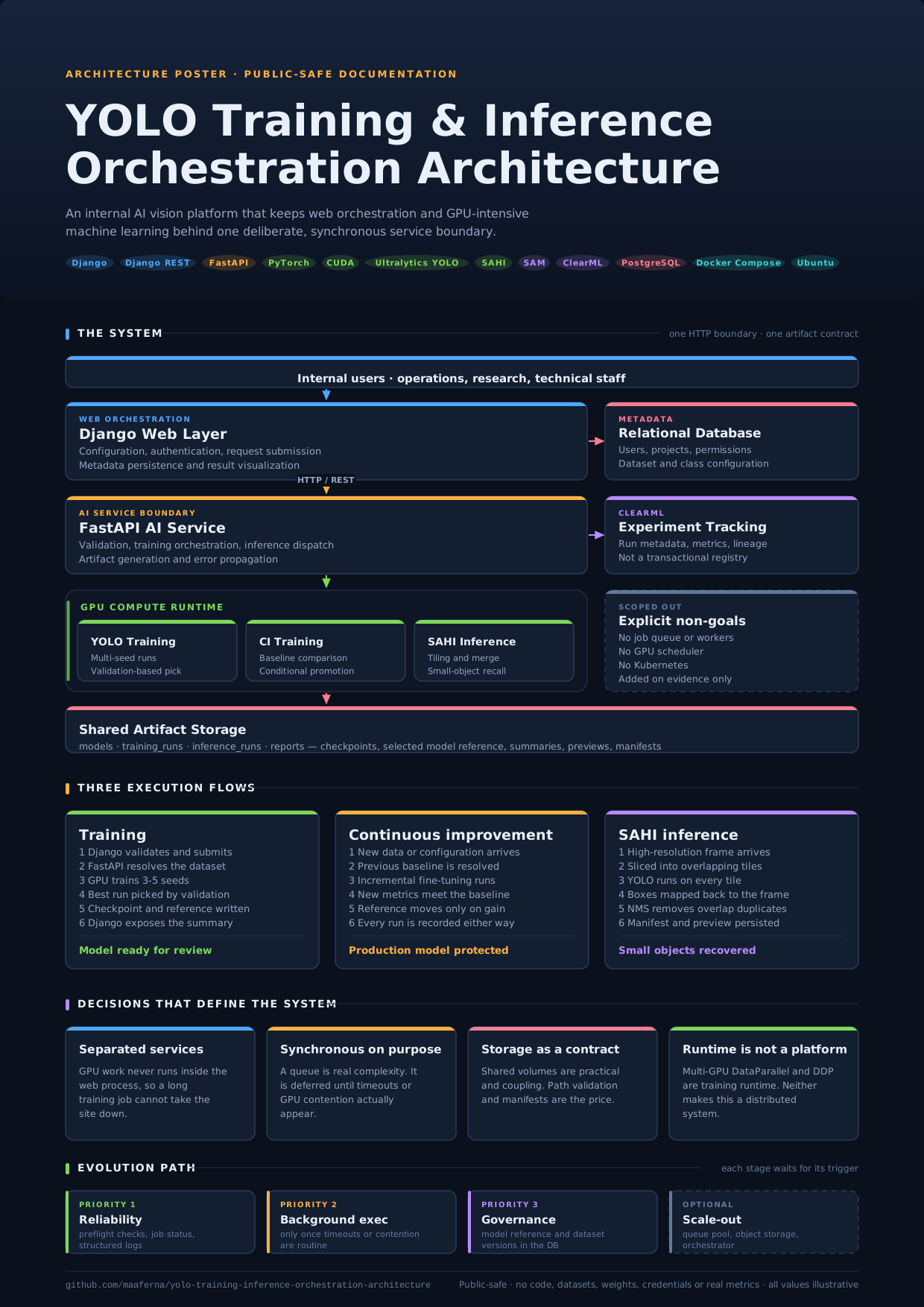
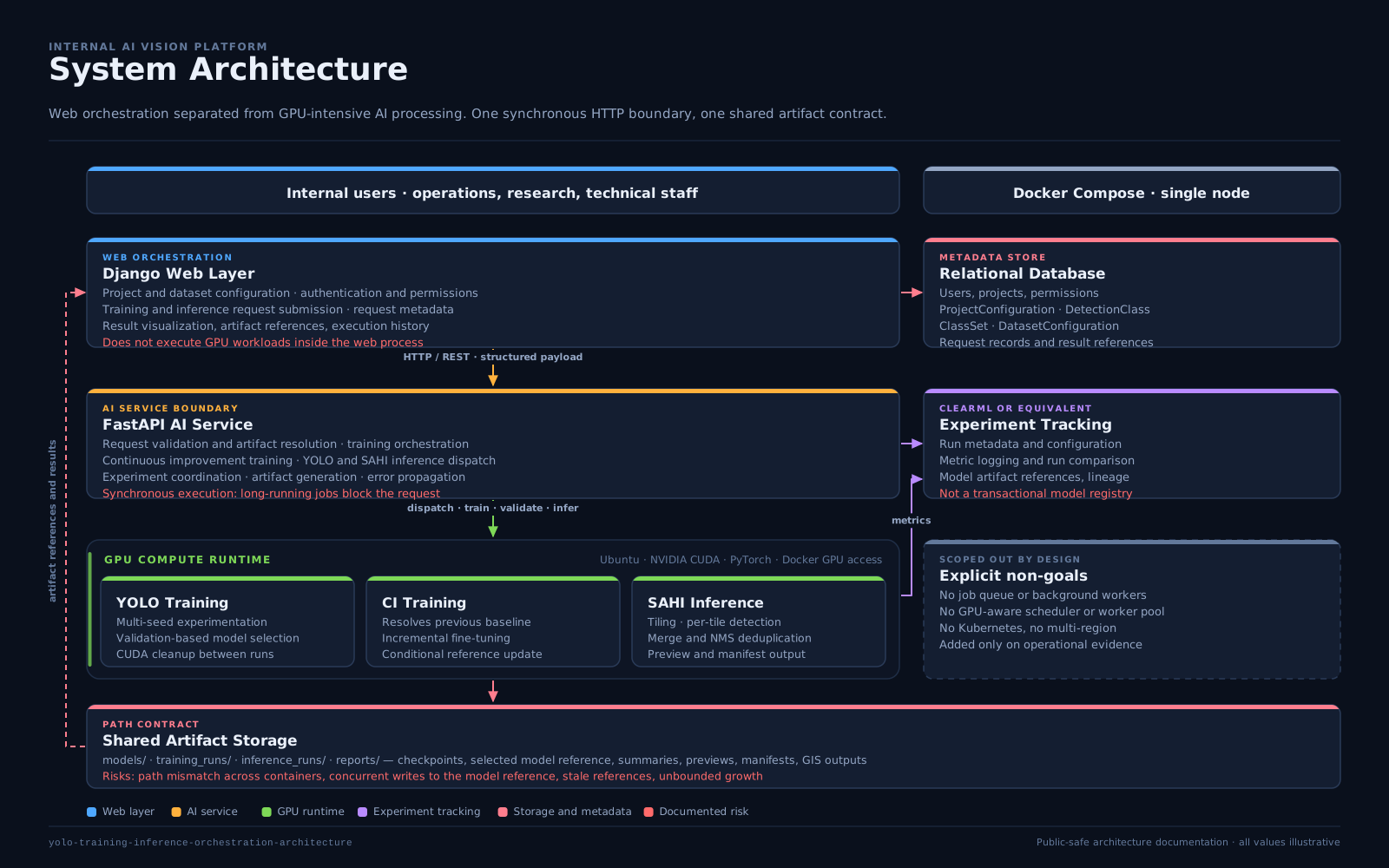
YOLO Training & Inference Orchestration Architecture is a public, sanitized architecture case study of an internal, production-oriented AI vision platform. It documents how a user-facing web layer is kept separate from GPU-intensive machine learning workloads, and explains the rationale for that separation.
It is documentation only: no runnable application code, private datasets, model weights, credentials, real metrics or production deployment files.
What it documents:
- Microservice separation: a Django web and administration layer separated from a FastAPI-based AI processing layer.
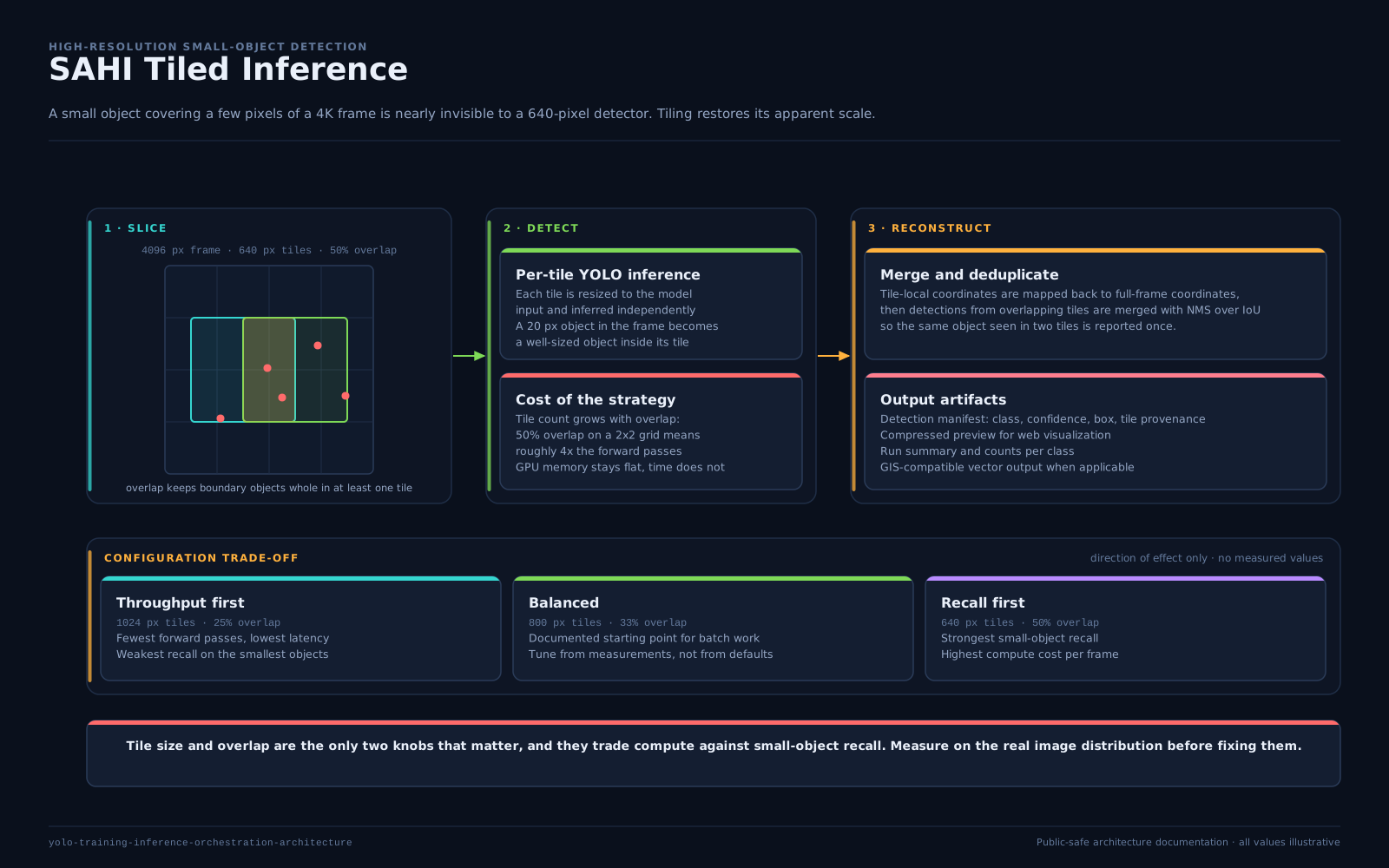
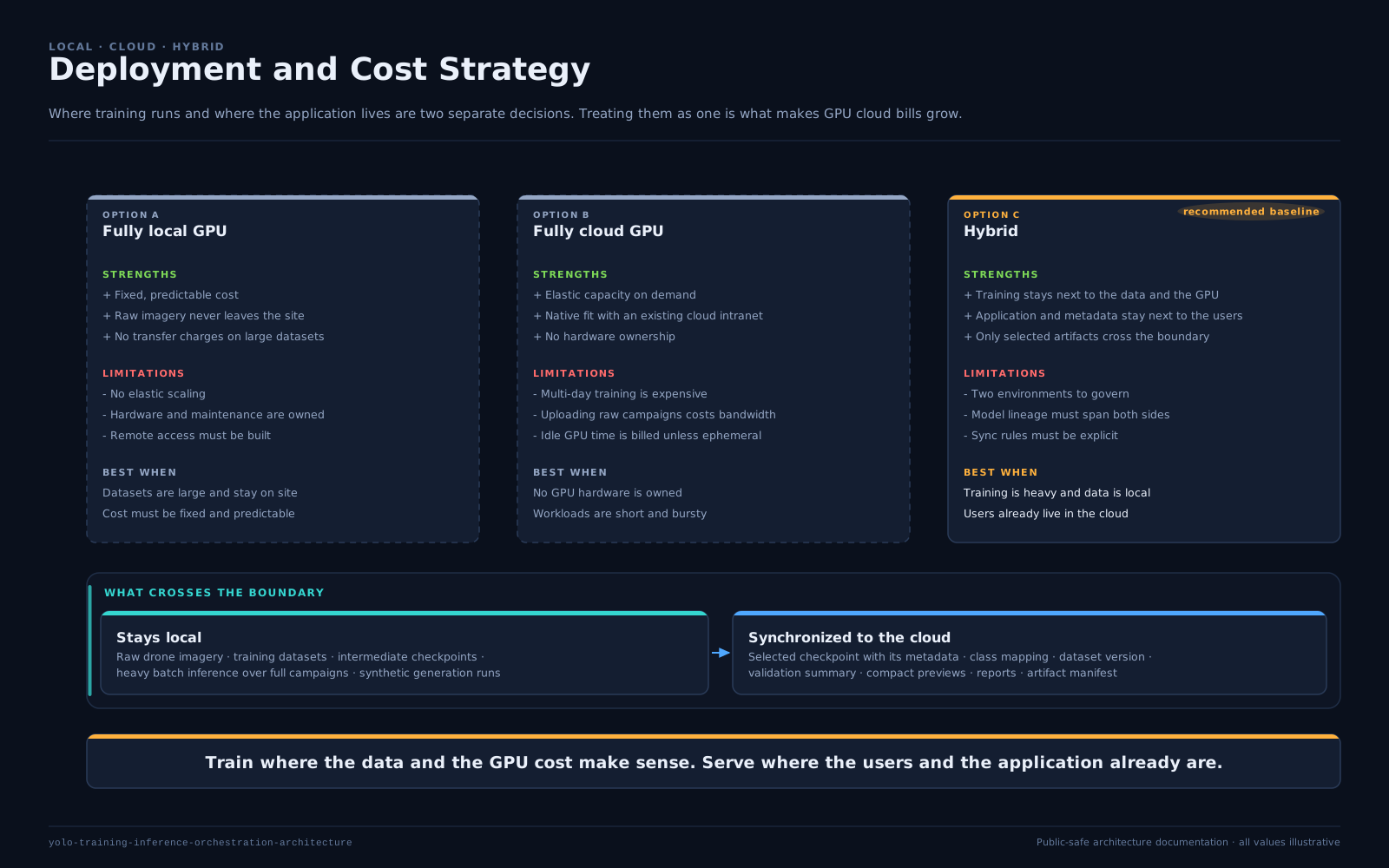
- GPU-backed AI execution: YOLO training, validation, inference and SAHI-based high-resolution tiled inference, executed through a dedicated compute service.
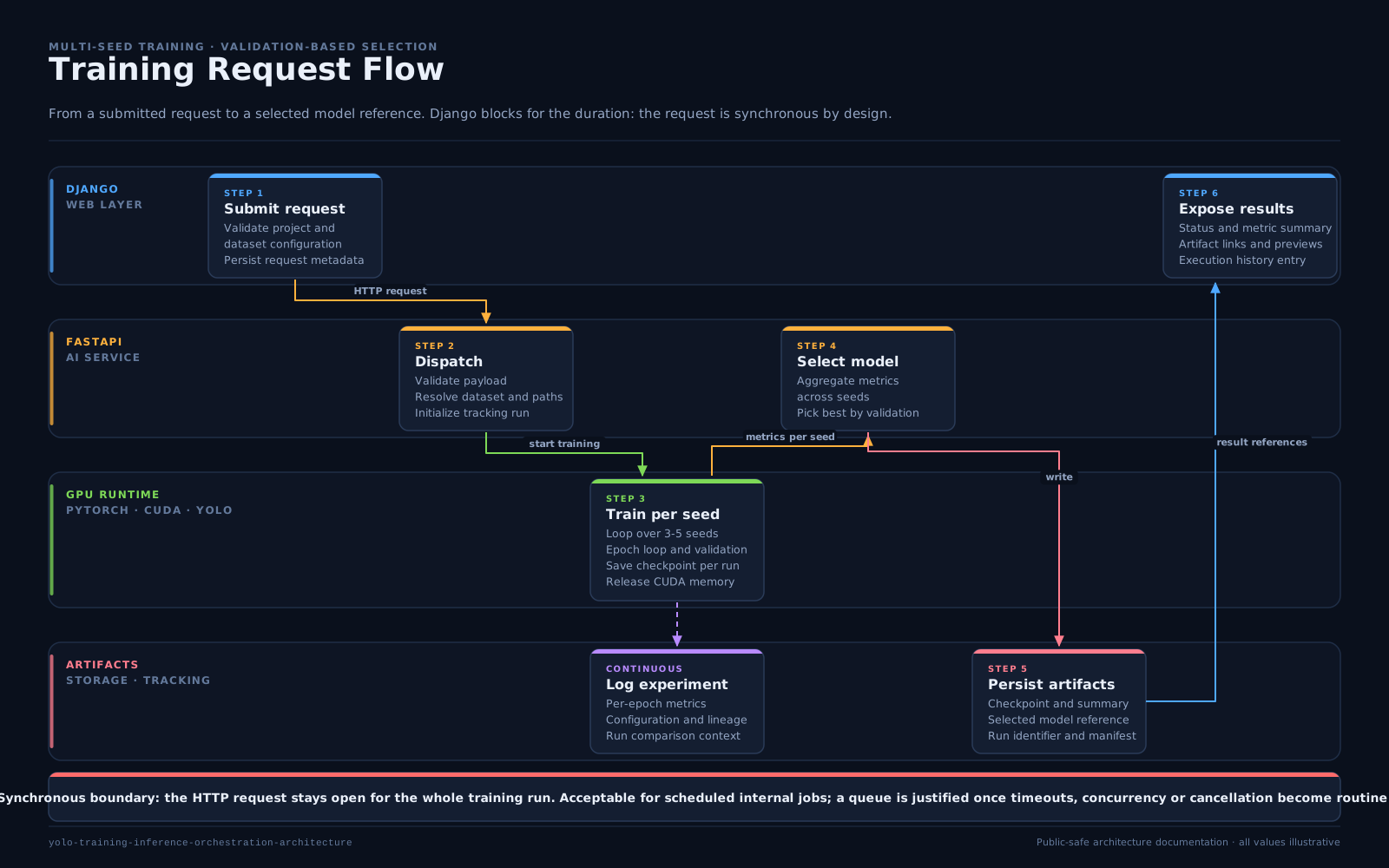
- Training runtime flexibility: single-GPU and multi-GPU training strategies, including DataParallel support and evaluated DDP patterns.
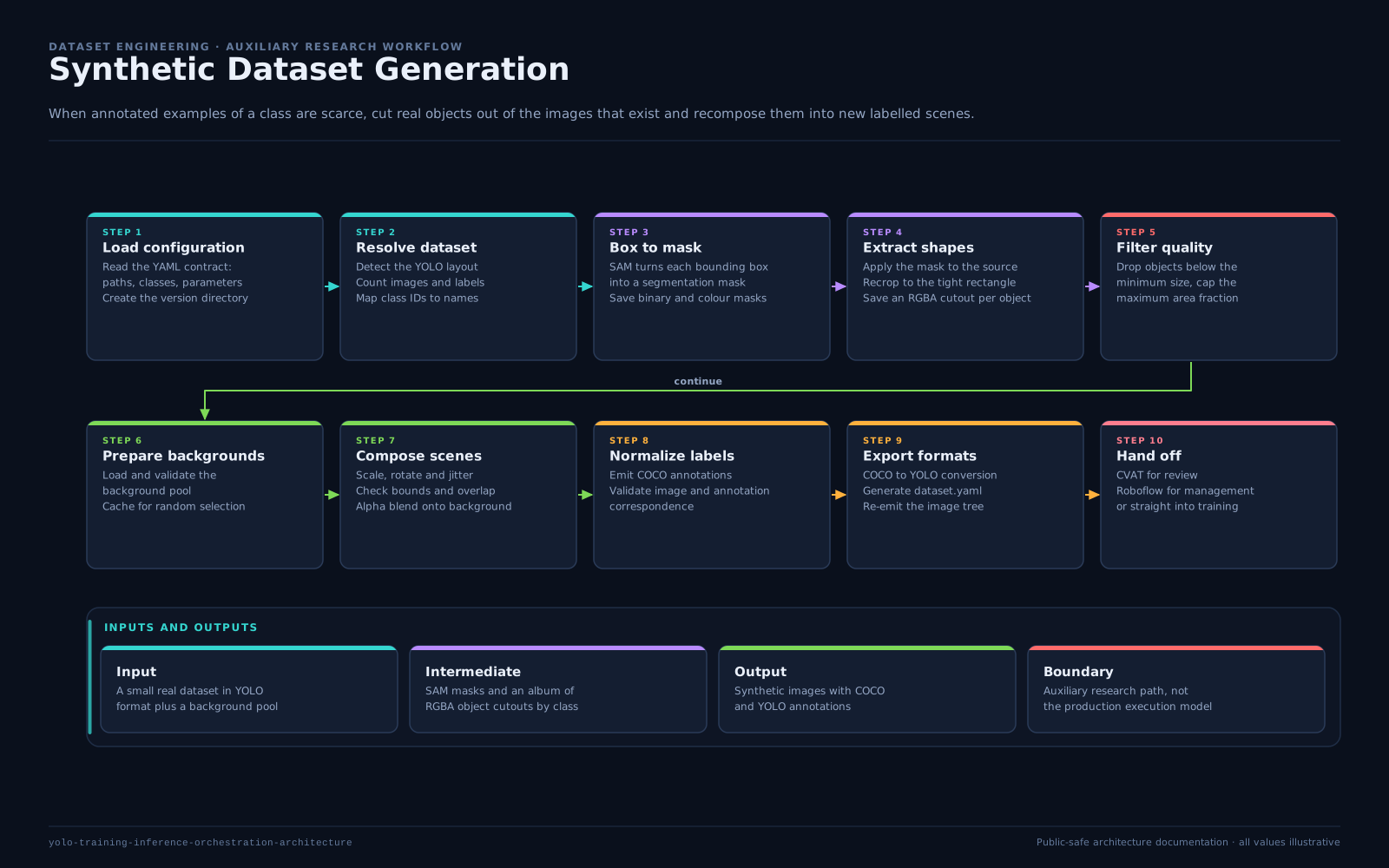
- Dataset configuration management: database-backed dataset configuration, label and class metadata, and YOLO-compatible dataset configuration generation.
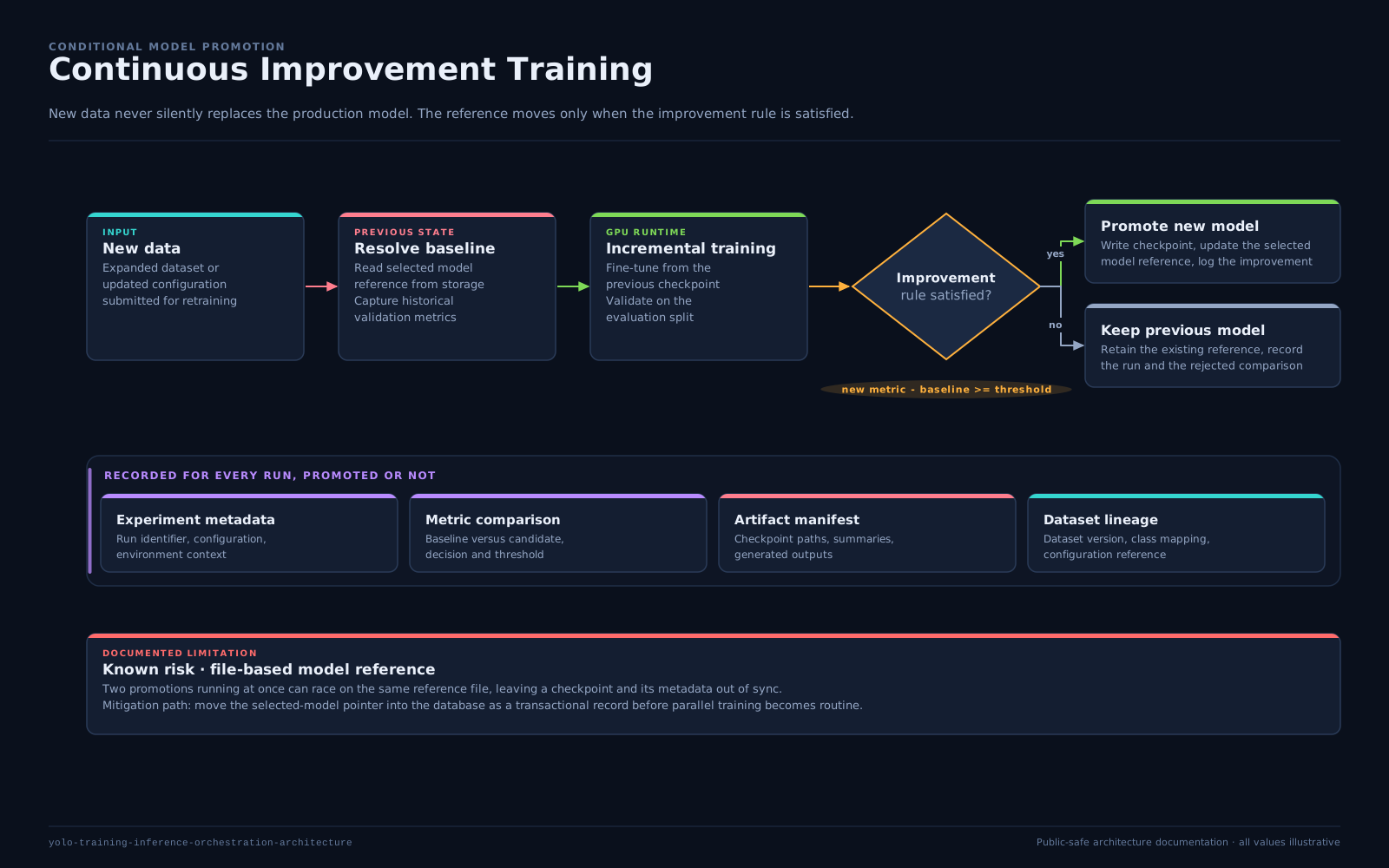
- MLOps foundations: experiment tracking, metric logging, artifact lineage and model reference management.
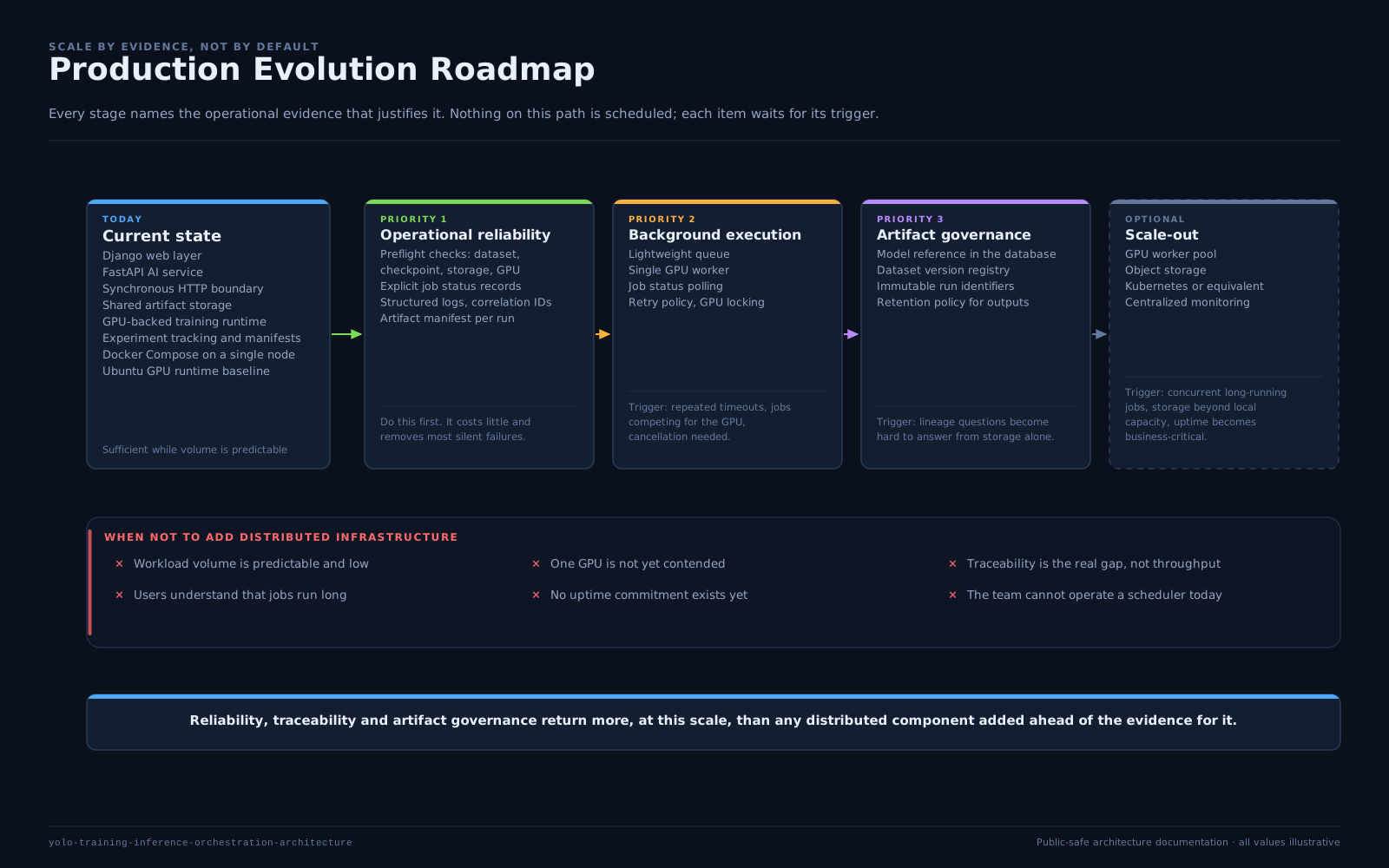
- Operational risk analysis: explicit discussion of synchronous execution, shared storage coupling, GPU contention, artifact governance and scale-out triggers.
- Fit-for-purpose evolution planning: a roadmap focused on internal reliability and traceability rather than premature distributed infrastructure.
One documented decision, as an example of the level of detail: Ubuntu was selected as the runtime environment for GPU-backed training because PyTorch, CUDA, NVIDIA drivers and multi-GPU training are highly sensitive to operating system, driver and CUDA-runtime compatibility. Windows was suitable for simpler single-GPU execution, but multi-GPU and DDP-oriented workflows introduced operational complexity that Ubuntu avoided.
The four diagrams shown here are rendered from the Mermaid sources committed in the repository: architecture overview, training flow, SAHI tiled inference flow, and incremental CI training.
Framework: AI / Platform Architecture

Technology Stack:
Python, Django, FastAPI, PostgreSQL, REST APIs, PyTorch, CUDA, YOLO, SAHI, OpenCV, SAM (Segment Anything), Pillow, NumPy, ClearML, YAML, JSON, COCO annotation format, YOLO dataset format, CVAT, Roboflow, Docker, Docker Compose, Linux, Ubuntu, Jupyter, shared storage for artifact exchange
About Team
Company / Institution: Anonymized Internal AI Vision Platform — Architecture Case Study
Developer: Marco Parra
Documentation-only repository: problem, method, architecture and limits. No source code or client data is published.
Project Images